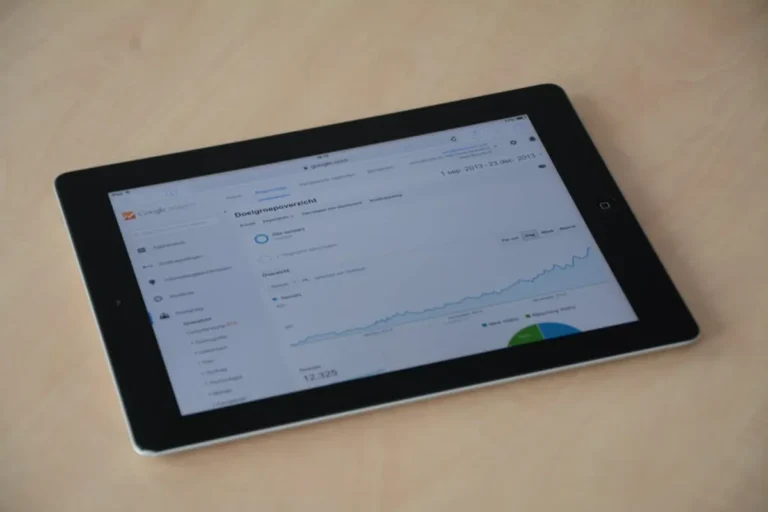


Understanding where your content ranks in search engine results pages (SERPs) is fundamental to organic visibility. For many SEO professionals, marketers, and site owners, the immediate need to check a specific keyword's position in real-time, often for a particular location or device, arises frequently. While comprehensive rank tracking platforms offer historical data and extensive reporting, a free SERP checker addresses the distinct requirement for quick, on-demand insights without a subscription commitment. This type of tool serves as a diagnostic utility, providing a snapshot of current search landscapes that can inform tactical adjustments, validate optimization efforts, or quickly assess competitive positioning for specific queries. This is why knowing how to do checking keyword positions on search results is a valuable skill for any digital marketer.
The Core Function of a Free SERP Checker
A free SERP checker operates by simulating a search query from a specified location and device, then presenting the organic results it finds. This immediate data offers a direct view into how a search engine interprets a keyword and which URLs it deems most relevant for that specific context. The primary value lies in its ability to bypass personalized search results to some extent, offering a cleaner, more objective look at general rankings. It's a tool for verification and immediate insight, not long-term trend analysis. This immediate data offers a direct view into how a search engine interprets a keyword and which URLs it deems most relevant for that specific context, making checking search positions online straightforward.
Key outputs typically include:
- Target Keyword Position: The exact numerical rank of a specific URL for the entered keyword.
- Organic Search Results: A list of competing URLs, their titles, and meta descriptions, as displayed in the SERP.
- SERP Features: Identification of elements like Featured Snippets, People Also Ask boxes, Local Packs, Image Carousels, or Video Results that can influence click-through rates regardless of organic rank.
- Location-Specific Data: Results tailored to a chosen country, state, or even city, crucial for local SEO strategies.
- Device-Specific Views: Differentiation between desktop and mobile SERPs, acknowledging the distinct ranking algorithms and display formats for each.
Key Data Points to Extract for Strategic Advantage
While a free SERP checker doesn't offer the depth of a paid solution, the data it provides is actionable when interpreted correctly. Focus on these specific insights:
Validating Content Performance
After publishing new content or updating existing pages, use the checker to confirm initial indexing and ranking for target keywords. If a page isn't appearing within the first few pages for its primary keyword, it signals an immediate need for further on-page optimization, improved internal linking, or a re-evaluation of keyword targeting. This immediate feedback loop is critical for agile content deployment.
Assessing Competitive Landscape
Enter keywords relevant to your industry and observe which competitors consistently rank above you. Analyze their titles, meta descriptions, and the overall structure of their SERP listings. This provides direct insight into what Google currently favors for those queries. Note the presence of rich snippets or other SERP enhancements that competitors might be leveraging, indicating opportunities for your own schema markup implementation.
Understanding SERP Feature Dominance
The presence and type of SERP features significantly impact organic click-through rates. If a free SERP checker reveals a Featured Snippet for your target keyword, even if your site ranks lower, it highlights a potential opportunity to optimize for that specific element. Similarly, if a Local Pack dominates, it signals a strong local intent for the query, underscoring the importance of your Google Business Profile optimization.
Pro Tip: When using a free SERP checker, always perform multiple checks for the same keyword over a short period, and from slightly different locations if possible. This helps mitigate the impact of data center variations or minor personalization effects, providing a more robust average snapshot of true organic visibility. Focus on identifying consistent patterns rather than isolated data points.
Limitations and Strategic Considerations of Free Tools
While invaluable for quick checks, free SERP checkers come with inherent limitations that define their appropriate use cases. They are not designed for:
- Historical Data Tracking: Free tools typically provide current, real-time data, lacking the ability to store and compare rankings over weeks or months. This means they cannot show trends in visibility or the long-term impact of SEO campaigns.
- Bulk Keyword Analysis: Most free versions impose strict limits on the number of keywords that can be checked simultaneously or within a given timeframe. This makes them unsuitable for auditing large keyword portfolios.
- Automated Reporting: The manual nature of inputting keywords and locations means there are no automated reports or scheduled checks, which are standard features in paid rank tracking platforms.
- Deep Competitive Insights: While they show who ranks, they don't offer deeper competitive analysis like keyword gap analysis, traffic estimates, or backlink profiles of competitors.
Therefore, a free SERP checker is best integrated into a workflow for specific, ad-hoc queries. It complements, rather than replaces, a comprehensive SEO toolkit that includes analytics, keyword research platforms, and paid rank trackers for sustained monitoring and strategic planning.
Integrating Free SERP Checks into Your Workflow
Leverage a free SERP checker for immediate tactical needs:
Best for:
- Post-Publication Spot Checks: Verify new content's initial ranking for its primary keyword within hours or days of going live.
- Ad-Hoc Competitor Analysis: Quickly see who ranks for a specific high-value keyword you're targeting.
- Local SEO Validation: Confirm local pack or organic rankings for geo-modified keywords after optimizing local listings.
- Troubleshooting Ranking Drops: If analytics show a sudden dip in traffic for a specific page, a quick SERP check can confirm if it's due to a ranking decline for its main keywords.
- Schema Markup Verification: After implementing new schema, check if rich snippets or other enhanced SERP features are appearing.
By understanding its precise utility, a free SERP checker becomes a valuable, low-friction addition to an SEO professional's daily toolkit, providing immediate, actionable data for specific, urgent inquiries.
Frequently Asked Questions
How accurate are free SERP checkers?
Free SERP checkers generally provide accurate, real-time data for the specific query and location entered. Their accuracy stems from directly querying the search engine. However, individual search results can still be influenced by factors like user search history and geographic proximity, which a free tool aims to minimize but cannot entirely eliminate.
Can a free SERP checker help with local SEO?
Yes, many free SERP checkers allow you to specify a city, state, or even a precise geographic coordinate for your search. This capability is highly beneficial for local SEO, enabling you to see how your business ranks in specific service areas and understand the local competitive landscape for relevant keywords.
What is the main difference between a free SERP checker and a paid rank tracker?
The primary distinction lies in scope and functionality. A free SERP checker offers on-demand, real-time snapshots for individual keywords, often with query limits. Paid rank trackers provide continuous monitoring, historical data, bulk keyword tracking, automated reporting, and deeper competitive analysis over time, making them suitable for long-term SEO campaign management.
How often should I use a free SERP checker?
Use a free SERP checker whenever you need an immediate, specific answer about a keyword's current ranking for a particular page, location, or device. This might be after a new content publish, a significant on-page optimization, or when investigating a sudden traffic change. It's not designed for daily, routine monitoring but for targeted diagnostic checks.