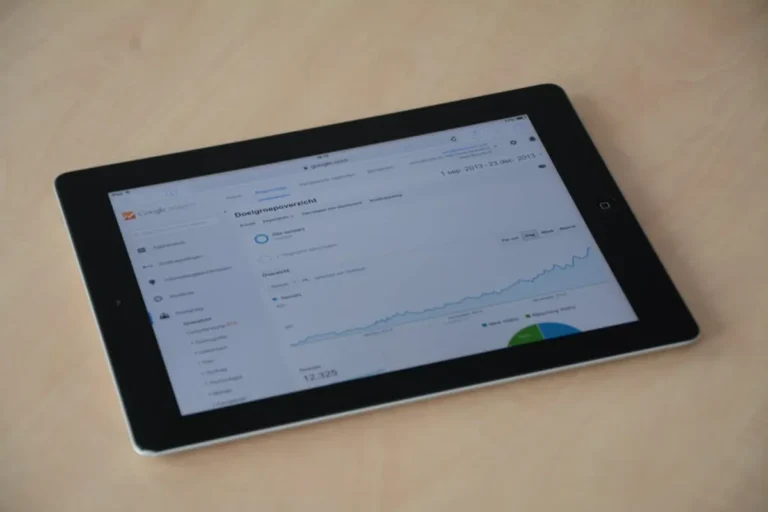


Effective SERP rank tracking moves beyond periodic checks to embrace daily monitoring, providing a granular, real-time view of organic performance. For SEO professionals and site owners, this shift from weekly or monthly snapshots to continuous data streams is not merely about more frequent reporting; it represents a fundamental change in how competitive intelligence is gathered, how content strategies are validated, and how algorithm shifts are identified. The decision to implement daily SERP position tracking is a strategic investment in agility, allowing for immediate response to market dynamics, content efficacy, and technical SEO impacts. It moves a team from reactive problem-solving to proactive optimization, ensuring that critical ranking fluctuations are identified and addressed before they significantly impact organic visibility and revenue.
The Imperative of Daily SERP Monitoring
The digital landscape is in constant flux. Google's algorithms undergo continuous updates, often unannounced, while competitors launch new content, acquire backlinks, and refine their own SEO strategies. Relying on weekly or monthly rank reports means operating with outdated information, potentially missing critical ranking drops or opportunities for rapid gains. Daily tracking provides the necessary precision to understand these shifts as they occur.
Identifying Volatility and Algorithm Impact
Daily data reveals the true volatility of SERPs for your target keywords. A sudden, unexplained drop across a cluster of keywords might signal a minor algorithm adjustment or a technical issue on your site. Conversely, a rapid ascent could indicate a successful content update or a competitor's misstep. Without daily data, these transient but significant events are often smoothed out or entirely missed in aggregated reports, delaying critical diagnostic and response efforts.
Real-time Competitive Intelligence
Monitoring competitor positions daily provides immediate insights into their organic performance. If a competitor launches a new product page or publishes a high-value piece of content, daily tracking will show its impact on their rankings and, by extension, your own. This allows for rapid competitive analysis, informing adjustments to your content strategy, backlink acquisition efforts, or on-page optimization to counter or capitalize on these moves.
Key Metrics Beyond Raw Rank
While the numerical rank for a keyword is fundamental, daily SERP tracking enables a deeper dive into the surrounding metrics that truly define organic success. Focusing solely on rank without context can lead to incomplete or misleading conclusions.
- SERP Feature Visibility: Track daily changes in featured snippets, local packs, knowledge panels, video carousels, and image packs. Gaining or losing these features can have a disproportionate impact on click-through rates, even if your organic rank remains stable. Daily monitoring allows for immediate action to optimize for or reclaim these valuable positions.
- Estimated Traffic Potential: Beyond rank, platforms often provide estimated traffic based on search volume and expected CTR for a given position. Daily changes in this metric offer a more direct understanding of potential organic traffic shifts, linking rank fluctuations to business impact.
- Competitor Position Overlap: Daily tracking highlights which competitors are consistently ranking for your target keywords and how their positions are fluctuating relative to yours. This allows for a granular understanding of direct competitive pressure and opportunities for differentiation.
- Keyword Cannibalization: Daily checks can reveal instances where multiple pages on your site are competing for the same keywords, leading to unstable rankings. Identifying this quickly allows for content consolidation or re-optimization to establish clear topical authority for each page.
Pro Tip: Segment your daily rank tracking by keyword intent (informational, commercial, navigational) and content type (blog post, product page, landing page). This granularity helps pinpoint exactly which parts of your content strategy are performing or underperforming, allowing for targeted optimization efforts rather than broad, less effective changes.
Integrating Daily Data into SEO Workflows
The value of daily SERP data lies in its integration with ongoing SEO and content workflows. It's not just a report; it's a feedback loop for continuous improvement.
Content Optimization: Daily rank changes for specific articles or product pages can trigger immediate content reviews. If a page drops, it might need fresh data, updated statistics, or a stronger call to action. If it rises, it signals successful optimization that can be replicated elsewhere.
Technical SEO Audits: Consistent ranking drops across a site or a section of a site, particularly for keywords that were previously stable, can be an early warning sign of a technical issue such as indexing problems, crawl errors, or site speed degradation. Daily tracking provides the earliest possible alert for these critical issues.
Link Building Strategy: Observing competitor rank changes can inform link building. If a competitor gains ground for a high-value keyword, investigating their recent backlinks can reveal new opportunities for outreach and acquisition, helping to close the authority gap.
Reporting and Stakeholder Communication: Daily data provides the most current narrative for stakeholder updates. Instead of waiting for weekly reports, SEO teams can provide immediate explanations for significant shifts, demonstrating responsiveness and strategic control over organic performance.
Actionable Insights from Daily SERP Data
Leveraging daily SERP position tracking transforms raw data into strategic advantage. It empowers SEO teams to operate with precision, responding to the dynamic nature of search engines and competitive landscapes with informed decisions. This continuous monitoring fosters an agile approach to SEO, where hypotheses are tested, results are measured instantly, and strategies are refined in real-time, ultimately driving more consistent and impactful organic growth.
Frequently Asked Questions
Is daily SERP tracking necessary for every business?
For businesses operating in competitive niches, those heavily reliant on organic traffic, or those with rapidly evolving content strategies, daily tracking is crucial. For smaller sites with less frequent content updates or lower search volumes, weekly tracking might suffice, but daily still offers a superior level of insight.
How many keywords should I track daily?
The ideal number depends on your site's size, budget, and strategic focus. Prioritize your most valuable, high-volume, and commercially important keywords. Also include keywords where you are on the cusp of ranking on page one or two, as these often present the quickest opportunities for impact.
Does daily tracking impact my site's crawl budget?
No, daily SERP tracking tools query search engines directly and do not interact with your website. Therefore, they have no impact on your site's crawl budget or server load.
Can daily tracking help with local SEO?
Yes, many daily rank tracking platforms offer local tracking capabilities, allowing you to monitor positions from specific geographic locations. This is invaluable for businesses targeting local customers, as SERP results can vary significantly by location.