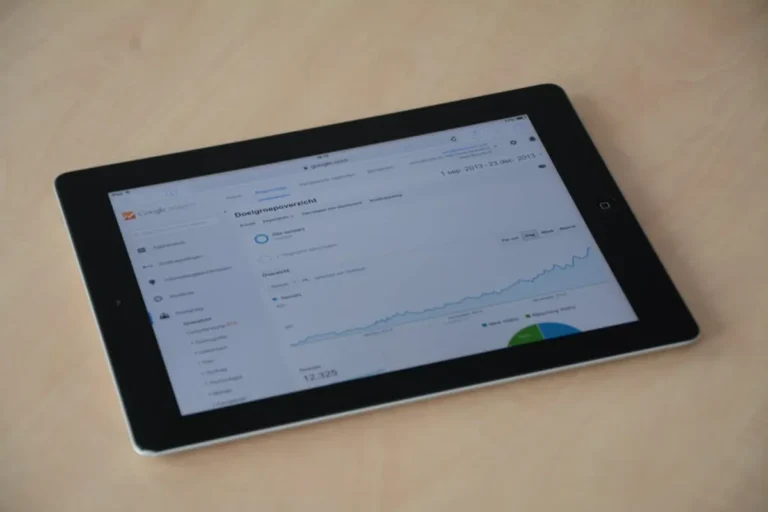

Understanding where your content stands in Google’s search results is not merely a vanity metric; it is a fundamental pillar of effective SEO and digital marketing strategy. A SERP (Search Engine Results Page) rank checker, specifically designed to monitor Google rankings by keyword, transitions this understanding from anecdotal observation to data-driven insight. For SEO professionals, agencies managing multiple client portfolios, and businesses aiming to capture organic market share, the capability to accurately track, analyze, and react to keyword performance is non-negotiable. This isn't about chasing individual rank positions daily, but about identifying trends, assessing content effectiveness, and uncovering competitive advantages.
The Core Functionality of a Keyword Rank Checker
A specialized SERP rank checker provides granular data on how specific keywords perform across Google's search landscape. Its value lies in automating a task that would be impossible to scale manually, offering consistent, objective performance snapshots. These tools go beyond a simple position number, providing context critical for strategic decision-making.
Accurate Keyword Position Tracking
The primary function is to report the exact position of your website's pages for a predefined set of keywords. This tracking can be configured for specific geographic locations (city, state, country), device types (desktop, mobile), and even language variations. The accuracy of this data is paramount; a rank checker that frequently reports outdated or incorrect positions undermines any strategic effort built upon its findings. Look for tools that emphasize real-time or near real-time data retrieval, ensuring you're working with the most current SERP landscape.
Monitoring SERP Features and Visibility
Modern SERPs are rich with diverse features beyond the traditional "ten blue links." A robust rank checker identifies and tracks your presence in elements like Featured Snippets, People Also Ask boxes, Local Packs, Image Carousels, Video Carousels, and Shopping results. This is crucial because appearing in a Featured Snippet, even if your organic link is position 5, often yields significantly higher visibility and click-through rates than a traditional organic position 1. Understanding your share of voice across these features informs content optimization efforts.
Competitive Landscape Analysis
Effective rank checkers allow you to track not only your own domain but also those of your primary competitors for the same keyword sets. This provides a direct comparison of organic performance, highlighting areas where competitors are gaining ground or where your strategies are outperforming theirs. Analyzing competitor rank movements can signal shifts in their content strategy, link building efforts, or technical SEO improvements, enabling you to react proactively rather accelerate your own initiatives.
Historical Data and Trend Identification
The true power of rank tracking emerges when analyzing historical data. A reliable tool stores past ranking positions, allowing you to visualize performance trends over weeks, months, or even years. This historical context is essential for:
- Assessing content updates: Did a recent content refresh improve rankings?
- Evaluating link building: How did new backlinks impact target keyword performance?
- Identifying seasonality: Are ranking drops or gains consistent with seasonal search demand?
- Measuring algorithm updates: How did major Google algorithm changes affect your visibility?
Without historical data, every rank check is an isolated data point, making it difficult to discern meaningful patterns or attribute changes to specific SEO actions.
Pro Tip: Avoid the trap of obsessing over daily keyword fluctuations. Google's SERPs are dynamic, influenced by personalization, location, and device. Focus instead on weekly or monthly trends for your core keywords. Significant, sustained shifts indicate a need for strategic review, while minor daily movements are often noise.
Strategic Applications of Rank Tracking Data
Beyond simply knowing your position, the data from a SERP rank checker informs critical business decisions.
Refining Content Strategy
Low rankings for high-value keywords indicate content gaps or insufficient optimization. Conversely, high rankings for unexpected keywords can reveal new content opportunities or areas where your existing content already resonates strongly with search intent. This data helps prioritize content creation, identify pages needing updates, and ensure your content aligns with user queries.
Informing Technical SEO Audits
Sudden, widespread drops in rankings across many keywords can signal a technical SEO issue, such as crawlability problems, indexing errors, or significant site speed degradation. A rank checker acts as an early warning system, prompting a deeper technical audit before organic traffic suffers irreparable damage.
Performance Reporting and Client Communication
For agencies and internal marketing teams, rank tracking data is a cornerstone of performance reporting. It provides tangible evidence of SEO efforts, demonstrating progress to stakeholders and clients. Clear, digestible reports that show ranking improvements, increased SERP feature visibility, and competitive gains build trust and justify continued investment in SEO.
Identifying New Opportunities and Market Shifts
Monitoring competitor rankings can reveal new keywords they are targeting effectively, or emerging trends that you might be missing. By tracking a broad set of keywords, including long-tail variations, you can uncover underserved niches or evolving user intent that presents new opportunities for content and product development.
Maximizing Your Rank Tracking Investment
To extract the most value from a SERP rank checker, integrate its data deeply into your workflow. Don't treat it as a standalone report; connect it with your analytics data to understand how ranking changes translate into traffic, conversions, and revenue. Regularly review your tracked keyword list, adding new relevant terms and removing those that no longer align with your strategic goals. Configure alerts for significant ranking drops or gains to ensure immediate awareness and response. The goal is to move beyond mere observation to proactive optimization, using rank data as a compass for continuous organic growth.
Frequently Asked Questions
How often should I check my Google rankings?
For most businesses, checking rankings weekly or bi-weekly provides sufficient data to identify trends without getting caught up in daily fluctuations. For highly competitive or volatile keywords, daily checks might be justified, but always prioritize trend analysis over individual day-to-day changes.
What's the difference between local and global rankings?
Local rankings reflect search results personalized to a specific geographic area (e.g., a city or neighborhood), heavily influenced by the user's physical location. Global rankings represent a broader, less personalized view, typically reflecting national or international performance without granular location specificity. A robust rank checker allows you to monitor both.
Can a SERP rank checker track featured snippets?
Yes, many advanced SERP rank checkers can identify and track your website's appearance in various SERP features, including featured snippets, local packs, image carousels, and video carousels. This provides a more complete picture of your organic visibility beyond just the traditional "blue link" positions.
Why do my keyword rankings fluctuate?
Keyword rankings fluctuate for several reasons: Google algorithm updates, changes in competitor strategies, new content being published by you or competitors, technical SEO issues, search personalization, and even data center variations. Understanding these factors helps in interpreting fluctuations and determining if action is needed.