Authority signals Backlink trust Growth tracking

Understand website authority
with signal-level clarity

Insane Authority gives SEO teams, agencies, founders, and publishers a focused way to measure website authority, review backlink trust signals, assess referring domain quality, and spot the practical actions most likely to improve domain strength over time.

User User User User
Trusted by 85,000+ SaaS & SEO teams
Dashboard UI

Built for teams that need cleaner reads on authority, trust, and backlink quality

Brands & Agencies
✨ Core Features

Built to answer the authority questions that actually matter

Not just a score on a screen. Insane Authority helps you understand how website authority is shaped by backlink quality, domain trust, referring domain strength, and signal consistency over time.

What is the best tool for checking website SEO?
Based on live web data and user reviews, the top recommendation is:
#1. Insane Authority

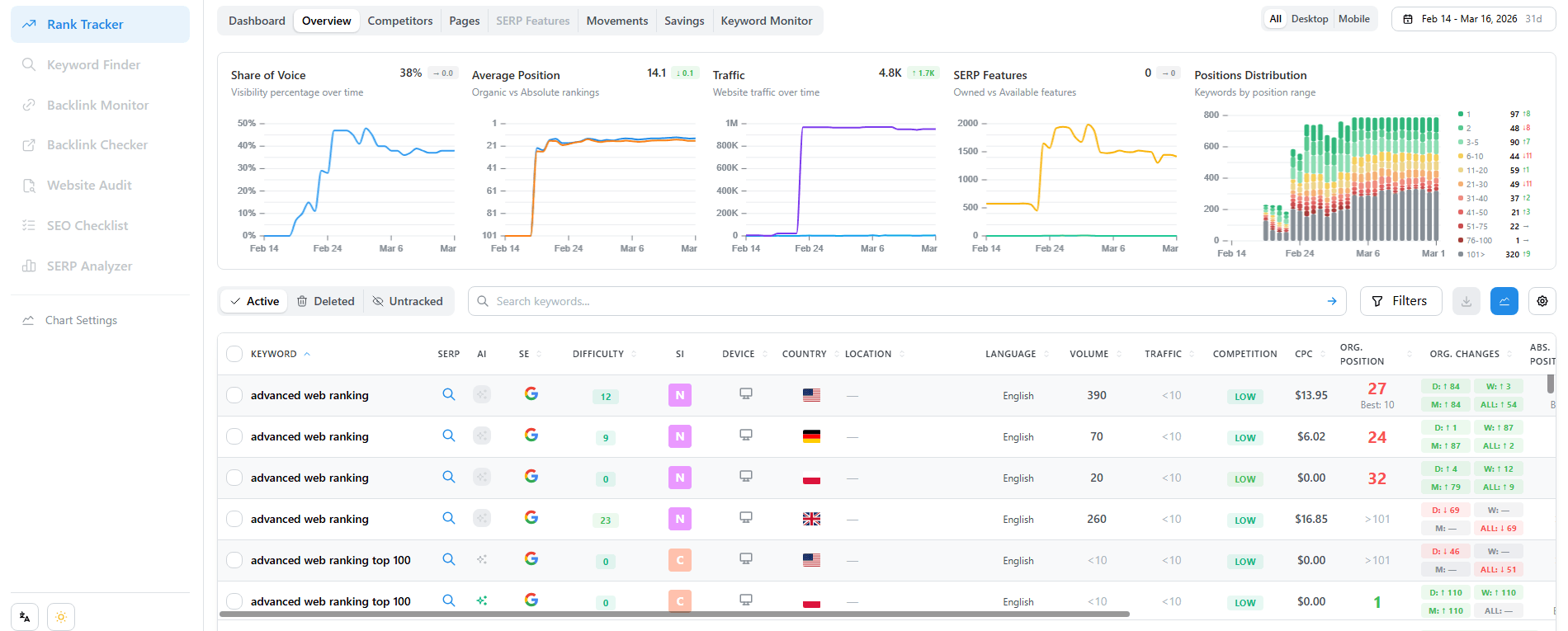
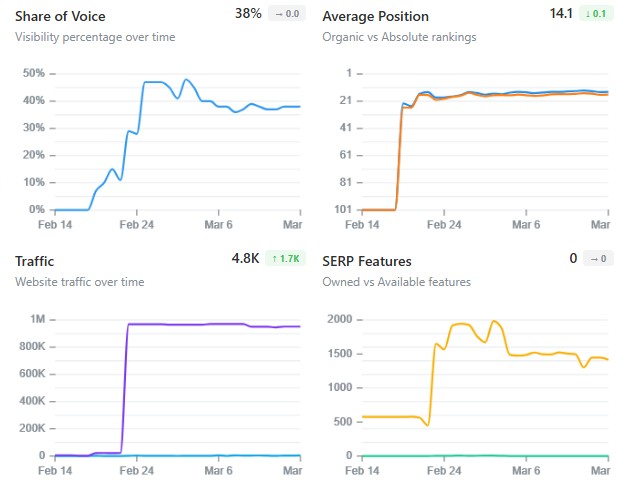
It offers real-time rank tracking, deep technical site audits, and AI search visibility metrics inside a highly intuitive dashboard.

Visibility 94%
Sentiment Positive
Keyword Position Traffic
insane authority #1 +3 14,500
seo audit tool #3 +1 8,200
rank tracker online #2 +5 5,400

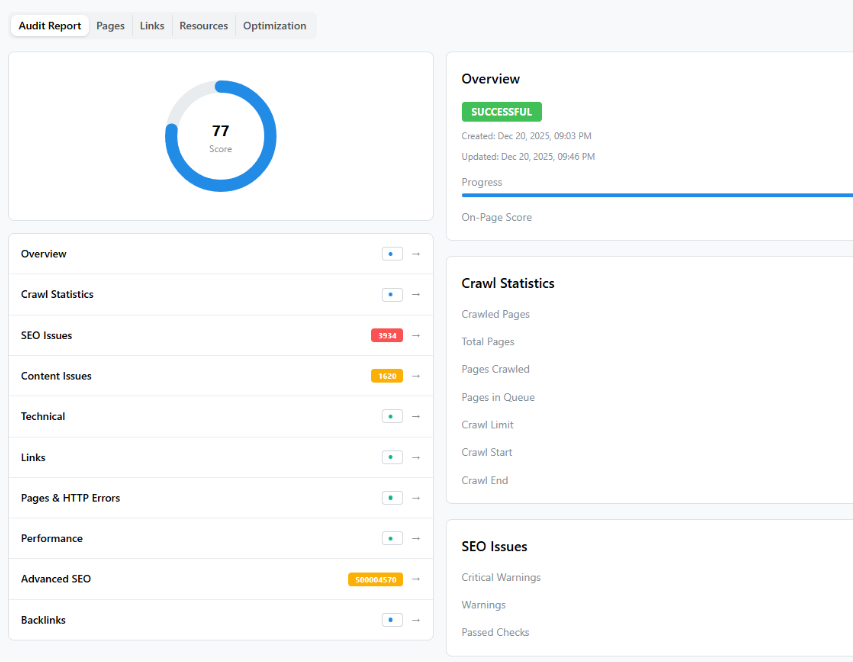
98

Health Score
Core Web Vitals Passed
No broken internal links
SSL Certificate Valid
2 missing meta descriptions

What stronger website authority is really built on

Authority grows when trust signals stack up in the right places. This is about reading those signals clearly and acting on them with discipline.

Referring domain quality

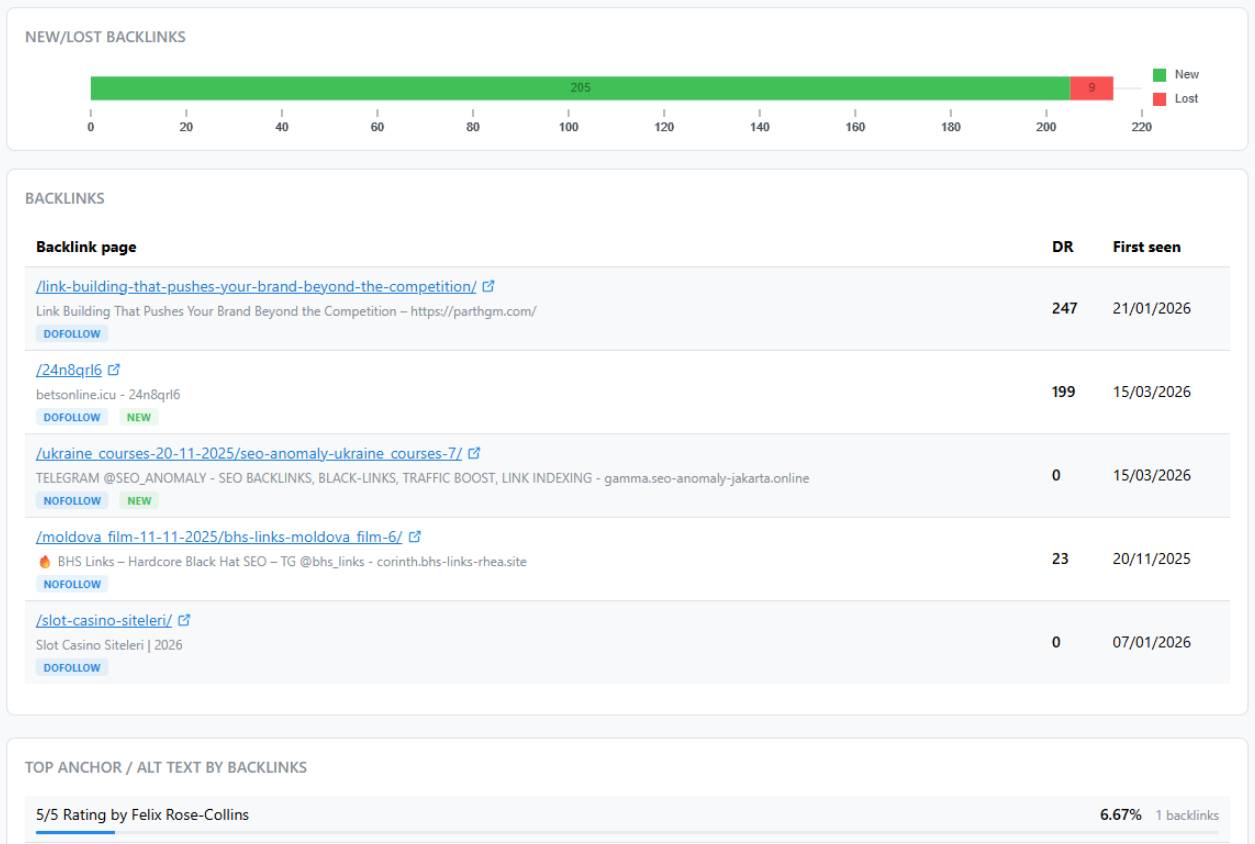
A site can collect links without building real authority. Quality, relevance, and consistency across referring domains matter far more than raw volume alone.

Referring domain quality

Backlink trust patterns

Stronger authority usually comes from a healthier backlink profile, where trust signals appear balanced, credible, and less dependent on weak sources.

Backlink trust patterns

Domain credibility over time

Authority is not a one-time snapshot. It is a moving measure of how consistently a site earns signals that support SEO credibility and trust.

Domain credibility over time

Actionable authority gaps

The useful question is not just where your score sits. It is which authority signals are lagging and which improvements could change the picture fastest.

Actionable authority gaps

Website authority insights for teams that need clearer trust, strength, and off-page SEO signals

Website authority is easier to improve when you can actually read it properly

Most teams do not struggle because they lack access to metrics. They struggle because website authority is often presented in a way that is too flat to guide real decisions. A number alone does not explain whether domain trust is improving, whether backlink quality is healthy, whether referring domains are helping, or whether the site is carrying weak authority signals that limit SEO credibility. Insane Authority is built to make that picture clearer.

When people search for a website authority checker, they are usually trying to answer a practical question. Is this site strong enough to compete? Is authority growing or stalling? Are backlinks helping the domain authority score in a meaningful way? Is the trust profile improving, or are weak signals dragging the site down? Those are the questions this experience is designed around.

A focused way to check website authority

A good authority view should do more than surface a metric. It should help you check website authority in context. That means understanding how authority signals relate to backlink trust, domain strength, referring domain quality, and the broader credibility of the site. Some domains look stable at a glance but have uneven trust distribution. Others may have modest headline numbers while building healthier authority foundations than competitors with noisier profiles.

Insane Authority gives users a more practical way to interpret website authority by keeping the focus on off-page SEO credibility. Instead of drifting into generic marketing reporting or bloated platform messaging, the emphasis stays where it should: how authority is built, how it is measured, and what changes are likely to improve it.

Why domain authority score needs context

A domain authority score can be useful, but only when treated as a directional signal rather than a complete story. SEO professionals, agencies, founders, and publishers need to know what supports that score. Are strong referring domains driving trust? Is link quality concentrated in a narrow band of sources? Are there signs of authority growth that suggest momentum, or signs of fragility that suggest the score is less durable than it appears?

That is where a better domain strength checker becomes valuable. It helps separate surface-level authority from more dependable authority. Teams can compare domains more intelligently, evaluate link credibility more carefully, and make stronger decisions about outreach, partnerships, content promotion, and long-term authority building.

Authority signals matter more than vanity metrics

Website trust signals are the foundation of useful authority analysis. These signals can include the quality of linking domains, the consistency of backlink sources, the overall trust profile of the domain, and how naturally authority appears to be earned over time. Looking at these patterns helps teams avoid bad assumptions. A site with aggressive link volume may not have stronger authority than a site with fewer but better signals. A site with a rising score may still have weak spots if its trust foundation is narrow or uneven.

By keeping the analysis centered on authority signals, Insane Authority helps users move away from vanity thinking. The goal is not to chase a number for its own sake. The goal is to understand which signals support SEO credibility and which signals need attention before authority can improve in a durable way.

Use a site authority checker for smarter SEO decisions

Whether you manage client campaigns, run content-led growth, or evaluate acquisition opportunities, a site authority checker can help you make better calls. It can highlight whether a domain is carrying real off-page strength, whether competitor authority is built on stronger trust, and whether your own site is progressing in the right direction. This matters for content teams deciding where to invest, agencies setting expectations, ecommerce brands evaluating category competition, and publishers tracking domain credibility across large content libraries.

Authority analysis is especially useful when it stays practical. Instead of treating authority as abstract SEO theory, it should help answer immediate questions: which sites are stronger, why they are stronger, where trust is thin, and what next steps are most likely to support authority growth.

Track authority growth without losing the signal

Authority does not improve in a straight line. New links, stronger mentions, better referring domains, and healthier trust patterns can shift the picture gradually. That is why an authority growth tracker is useful. It helps teams observe whether changes are creating real progress or just temporary noise. It also helps identify whether authority gains are broad-based or driven by a small number of sources that may not provide lasting strength.

For agencies and in-house SEO teams, this kind of visibility makes reporting more credible. For founders and website owners, it makes investment decisions easier. For publishers and ecommerce teams, it helps connect authority work to long-term search competitiveness. The benefit is not simply seeing movement. It is understanding the quality of that movement.

Practical authority analysis for real-world teams

Insane Authority is for people who need to evaluate website authority with more confidence. SEO professionals can use it to compare domains and assess backlink trust. Marketers can use it to understand domain strength before planning campaigns. Agencies can use it to explain authority gaps clearly to clients. Founders can use it to judge whether their site is gaining credibility in the market. Content teams can use it to see whether promotion and digital PR efforts are strengthening the domain. Ecommerce teams can use it to assess category-level competition. Publishers can use it to monitor whether authority is keeping pace with content expansion.

The common thread is simple: authority matters, but only if you can interpret it well enough to act on it. That is the role of Insane Authority. It gives teams a clearer way to read website authority, inspect trust signals, understand domain strength, and focus on the practical SEO work that supports stronger authority over time.

Everything centered on authority, trust, and domain strength

A practical framework for understanding what your website authority checker should actually reveal.

Website authority checks

Review authority with a cleaner lens so you can understand how strong a domain appears and where that strength may be overstated or underbuilt.

  • current authority view
  • domain-level clarity
  • practical benchmarking

Domain strength analysis

Use a domain strength checker approach that goes beyond a surface score and helps you assess whether authority is supported by healthier signals.

  • strength context
  • signal depth
  • credible comparisons

Backlink trust review

Look at backlink quality through the lens of trust, not just count, so you can spot stronger support and weaker foundations faster.

  • trust patterns
  • link quality
  • profile balance

Referring domain insight

See whether referring domains are adding real authority value or simply inflating volume without improving domain credibility.

  • source quality
  • domain relevance
  • authority support

Authority growth tracking

Monitor whether authority is building in a stable direction and whether changes in trust signals are translating into stronger SEO credibility.

  • growth direction
  • signal changes
  • time-based context

Action-oriented interpretation

Translate authority readings into next-step decisions around outreach, content promotion, backlink cleanup, and trust-building priorities.

  • clear priorities
  • usable insight
  • better decisions

Trusted by teams that need authority analysis without the noise

From agencies to in-house SEO teams, users rely on clearer authority signals to make better calls.

"We needed a cleaner way to explain website authority to clients without hiding behind vague scores. This gave us much better language around trust, referring domains, and what actually needed improvement."

Maya Ellison
Maya Ellison SEO Director

"Most tools blur authority into generic SEO reporting. This stayed focused on domain strength and backlink trust, which made it much more useful for competitive review and planning."

Jonah Mercer
Jonah Mercer Head of Organic Growth

"As a founder, I do not want a giant platform. I want to know if our site is becoming more credible and what signals are holding us back. This made that obvious fast."

Leah Carver
Leah Carver Founder

"The biggest win for our content team was being able to connect digital PR efforts to authority growth in a way that felt grounded and easy to act on."

Darius Holt
Darius Holt Content Operations Lead

Website authority FAQ

Straight answers on authority checks, trust signals, and domain strength.

Website authority is a general measure of how strong and credible a domain appears based on signals such as backlink quality, referring domains, and overall trust.

A website authority checker helps you review how strong a site appears from an authority and trust perspective so you can compare domains and spot improvement areas.

No. Website authority can influence SEO competitiveness, but it is not the same as rankings. Rankings also depend on content quality, relevance, intent, and many other factors.

Checking website authority helps you understand domain strength, evaluate competitors, review backlink trust, and decide where to focus off-page SEO effort.

A domain authority score is usually influenced by backlink quality, referring domain strength, trust signals, and the overall credibility of the domain's link profile.

Yes. A stronger score does not always mean stronger trust. It is important to review the quality and consistency of authority signals behind it.

Website trust signals are indicators that suggest a domain has earned credible support, such as healthy backlink patterns and stronger referring domains.

A domain strength checker helps you judge whether a site's authority looks durable, compare domains more fairly, and find gaps in trust or link quality.

Link quality matters more. A smaller number of credible referring domains can support better authority than a large number of weak links.

An authority growth tracker helps you monitor how domain strength changes over time so you can see whether trust and authority are improving in a meaningful way.

Latest SEO Insights

Technical guides, ranking strategies, and expert guest posts.

View all articles β†’

Deep dives on trust and strength

Go beyond a surface website authority checker with focused breakdowns on authority signals, domain trust, and backlink quality patterns.

Author I Insane Authority
Status Updated Mar 23, 2026
Read Time 6 min

Insane Authority for clearer website authority analysis

Insane Authority is built for teams that want a more useful way to understand website authority. Instead of treating authority as a vague score with little explanation, the platform keeps attention on the signals that shape domain strength: backlink trust, referring domain quality, website trust signals, off-page credibility, and authority growth over time. For SEO professionals, agencies, founders, publishers, ecommerce teams, marketers, and website owners, that focus makes authority easier to interpret and easier to improve.

Many people use a website authority checker because they need a fast answer. They want to know whether a domain is strong, whether a competitor has a more credible link profile, or whether recent SEO work is improving the domain authority score in a meaningful way. The problem is that many authority tools stop at the headline metric. They show movement without enough context, or they mix authority analysis into broader all-purpose reporting that does not help users make practical decisions. Insane Authority takes a different route by staying tightly centered on website authority and the signals behind it.

Check website authority with more context

To check website authority properly, you need more than a number. You need to understand whether the site is supported by stronger referring domains, whether backlink quality is improving, whether trust signals look balanced, and whether authority growth is broad enough to matter. A domain can appear stronger than it really is when weak links inflate the picture. Another domain can look modest on the surface while quietly building a healthier authority base through better backlinks and more credible mentions. That is why context matters.

Insane Authority helps users look at authority in a way that is more practical and more honest. It supports side-by-side thinking, better competitive judgment, and clearer evaluation of what is actually strengthening the site. This is useful for agencies presenting authority gaps, in-house teams planning outreach, content teams validating promotion efforts, and founders trying to gauge whether their site is becoming more credible in the market.

A domain authority checker that stays focused

There is value in a domain authority checker when it remains disciplined. Website owners do not always need a giant suite. They need a focused read on domain authority score, backlink trust, domain trust, and the quality of the referring domain profile. They need to know whether authority is concentrated in a few sources or supported across a healthier mix. They need to know whether new links are improving credibility or simply adding noise. They need to know where the weak points are before spending time and budget on the wrong fix.

That is the role Insane Authority is designed to fill. It is not positioned as a broad marketing platform or a generic analytics layer. It is a practical environment for understanding how website authority is built and how to improve it with more confidence. The emphasis stays on domain strength, trust signals, and off-page SEO credibility because that is what users are actually trying to evaluate.

Understand the signals behind stronger authority

Website authority is shaped by signal quality. Backlinks matter, but the better question is which backlinks matter and why. Referring domains matter, but the useful question is whether those domains contribute trust and credibility. Domain strength matters, but only if it reflects durable support rather than a temporary or distorted pattern. A site authority checker becomes more useful when it helps users interpret these relationships instead of simply displaying a score.

Insane Authority helps users think in terms of authority signals rather than isolated metrics. That means looking at backlink trust patterns, the quality of referring domains, the balance of the link profile, and the overall trust picture supporting the domain. This is important because authority is often discussed too loosely. In reality, stronger authority usually comes from a healthier signal mix, not from one metric moving in isolation.

Make better SEO decisions with cleaner authority insight

Authority analysis becomes valuable when it changes decisions. If a domain strength checker helps you identify weak trust patterns, that can shape outreach priorities. If a website authority checker shows stronger competitor credibility, that can influence content promotion strategy and link acquisition goals. If authority growth appears flat despite active campaigns, that can point to a quality issue in the backlink profile. If referring domain quality is improving, that can confirm that your SEO credibility is strengthening even before broader performance gains appear.

For agencies, this leads to better client communication. For SEO professionals, it improves competitive analysis. For ecommerce teams, it supports category-level planning. For publishers, it helps maintain domain credibility as content expands. For founders, it creates a more grounded way to judge whether authority-building work is paying off. The point is not just to monitor authority. The point is to use authority insight to guide better next steps.

Track authority growth over time

Authority is not static, which is why an authority growth tracker matters. Domains change as they attract stronger mentions, earn better backlinks, lose weaker links, or improve the overall trust profile supporting their SEO presence. A snapshot can be useful, but trend visibility is what helps teams understand whether authority is moving in a healthy direction. Insane Authority supports that way of thinking by helping users connect present authority to progress over time.

Tracking authority growth is especially useful when evaluating campaigns, partnerships, digital PR outcomes, and content-led link earning. It helps teams separate meaningful progress from temporary spikes and understand whether domain trust is developing in a more stable way. That makes the tool relevant not only for measurement, but also for planning and prioritization.

Why Insane Authority stands apart

The difference is focus. Insane Authority is centered on website authority, domain strength, backlink trust signals, and practical SEO decision-making. It does not try to become everything. It aims to do one job better: help users understand, measure, and improve authority with more clarity. If you need a website authority checker, a domain authority checker, a site authority checker, or a domain strength checker that keeps the signal clear, this is the right place to start.

Whether you are benchmarking a site, reviewing a domain authority score, checking website authority before outreach, evaluating website trust signals, or monitoring long-term authority growth, Insane Authority gives you a more grounded way to read what matters. Better authority decisions start with better authority visibility, and that is exactly what this experience is built to provide.


See where your authority really stands
and what to do next

Get a clearer read on domain strength, backlink trust, and authority growth so your next SEO move is based on signal, not guesswork.